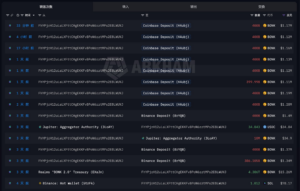
In an essay published by Deep Tide TechFlow on November 11, 2026, at 11:27 a.m. UTC+8, writer washed argues that Crypto Twitter (CT) has changed: building an audience and selling access to opportunities can now matter more than finding those opportunities in public. It is a participant’s assessment, not a measured account of the whole community.
From shared discoveries to a race for speed
Washed traces a pattern across sneaker, money-making and gambling circles on Twitter before turning to CT. In the early stages, a small group shares ideas around an opportunity. As tools improve and more people arrive, competition narrows the advantage. Washed recalls sneaker resellers racing to sell shoes before they had them in hand, sometimes using what the writer describes as questionable early package scans to meet marketplace shipping deadlines.
The writer sees a parallel in speculative token trading: participants compete to buy and sell earlier, while some promoters find it easier to monetize followers than to trade successfully. Washed does not argue that every paid community or course is a scam. The concern is what happens to a conversation when selling the prospect of gains becomes more rewarding than doing the underlying work.
One example in the essay is a widely circulated claim that the figure known as Kimchi made $40 million trading TRUMP. Washed says the story began as a joke invented by Kimchi’s friend and criticizes its later use as a promotional narrative. That account is the writer’s claim; the supplied article does not independently establish how the story originated.

What remains on the public timeline
According to washed, more useful conversations have moved to Telegram, Discord and other private groups, or into direct on-chain activity. The writer says some valuable public accounts remain, while arguing that the open timeline is less useful for discovering early opportunities than it once was. This is a distinction about where people participate, not a claim that everyone has left CT.

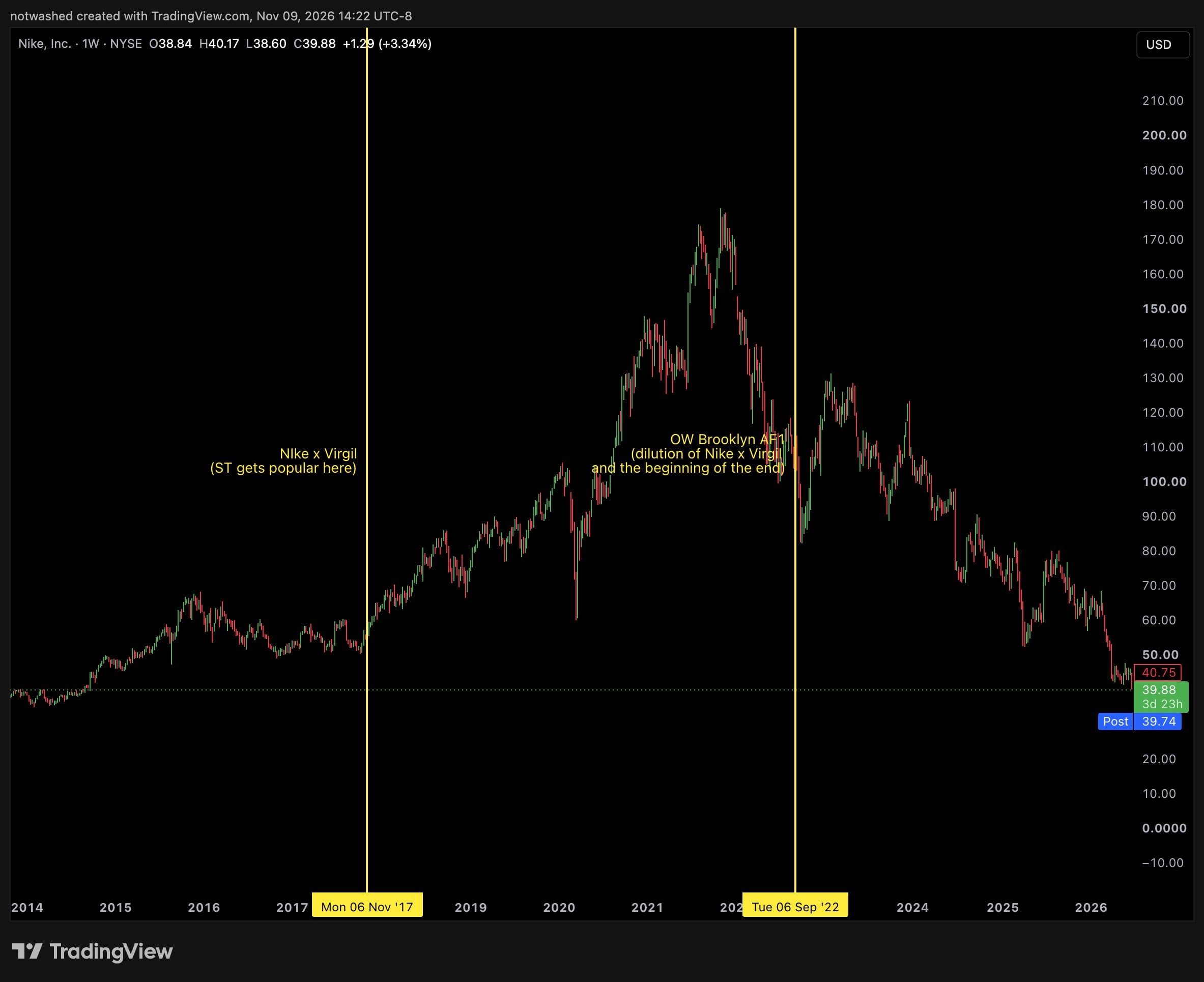
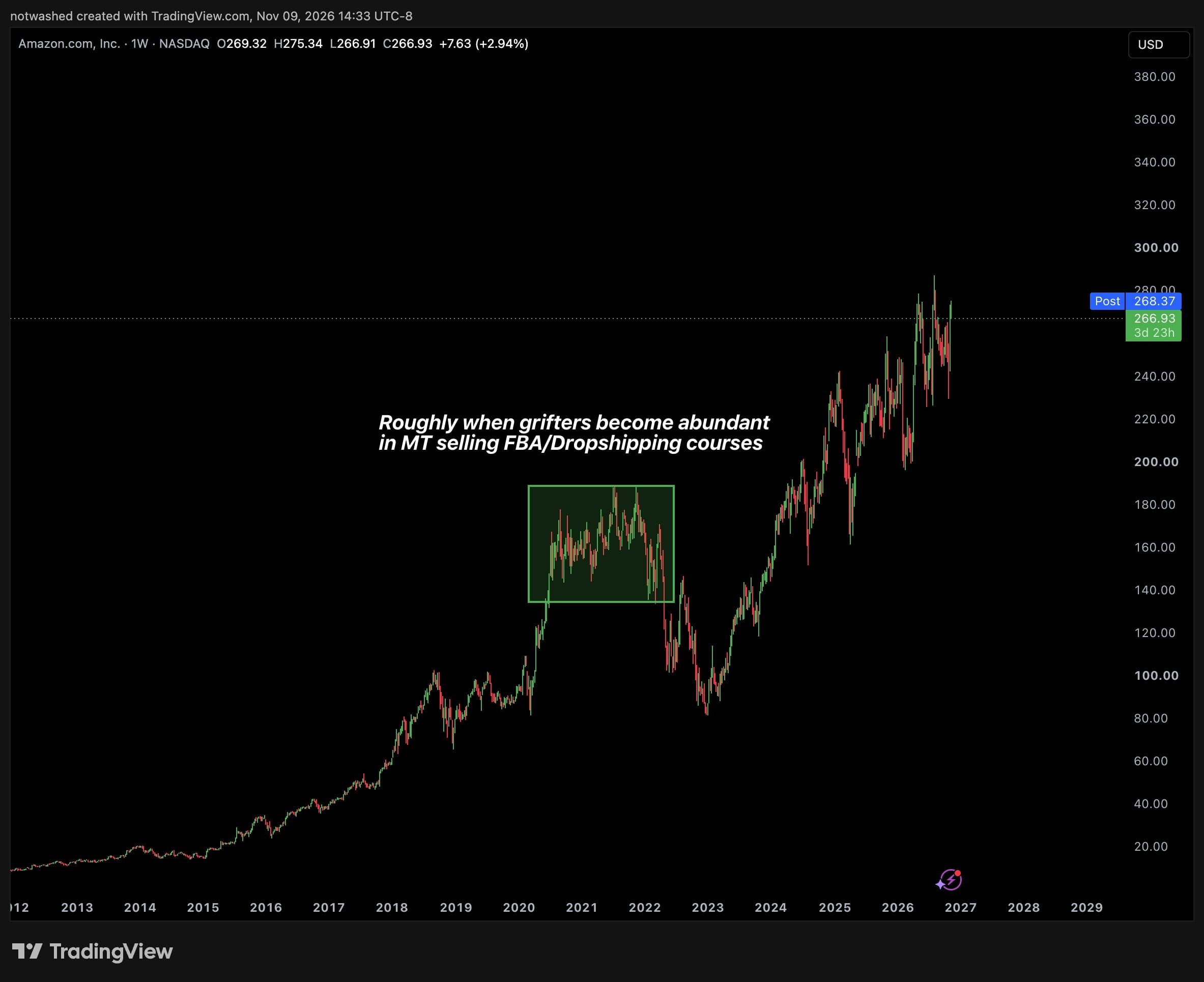
Washed also separates CT’s trajectory from that of crypto more broadly. The essay compares the fading appeal of sneaker-resale Twitter with the continued existence of sneaker resale, and the rise of online-business course sellers with the wider online-business sector. Its Nike and Amazon chart comparisons are presented as rough analogies, not evidence that either stock price measures a Twitter community’s health.

The conclusion is similarly qualified: washed expects CT to persist, but to become more selective and fragmented. For the writer, the small public corner where strangers once exchanged early ideas has largely passed—even if crypto activity and worthwhile public discussion continue.
Source: techflowpost.com (originally published 2026-11-11 11:27 UTC+8)