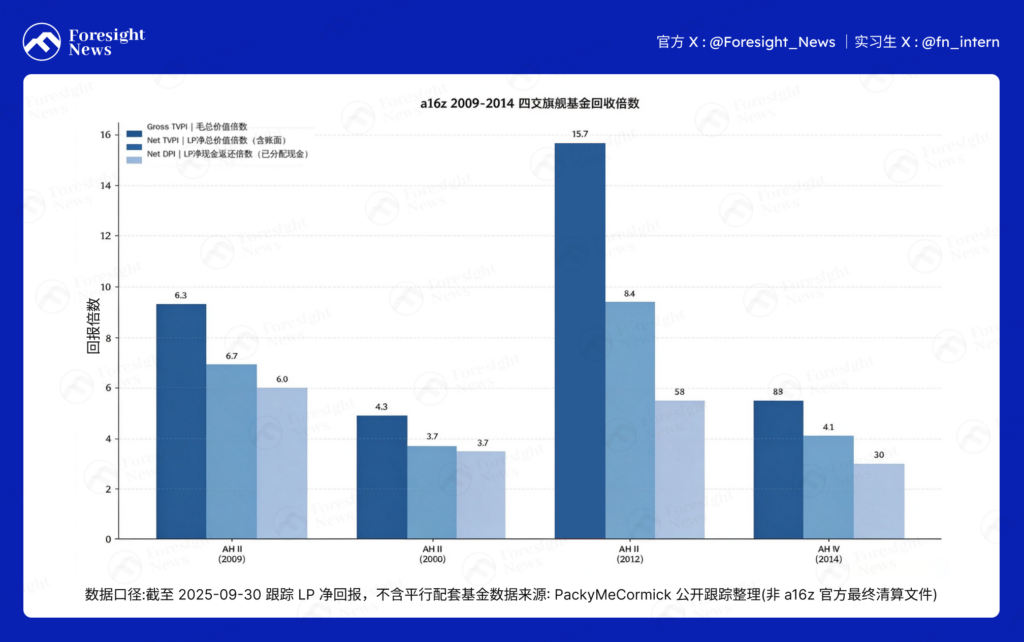
On October 23, 2026, a16z announced that its crypto-focused flagship fund would become a16z frontier, expanding its investment scope beyond crypto to other frontier technologies. In an analysis published on November 17, 2026, Foresight News writer Eric treated the change as a turning point for a firm that had helped turn Web3 ideas into widely recognized stories.
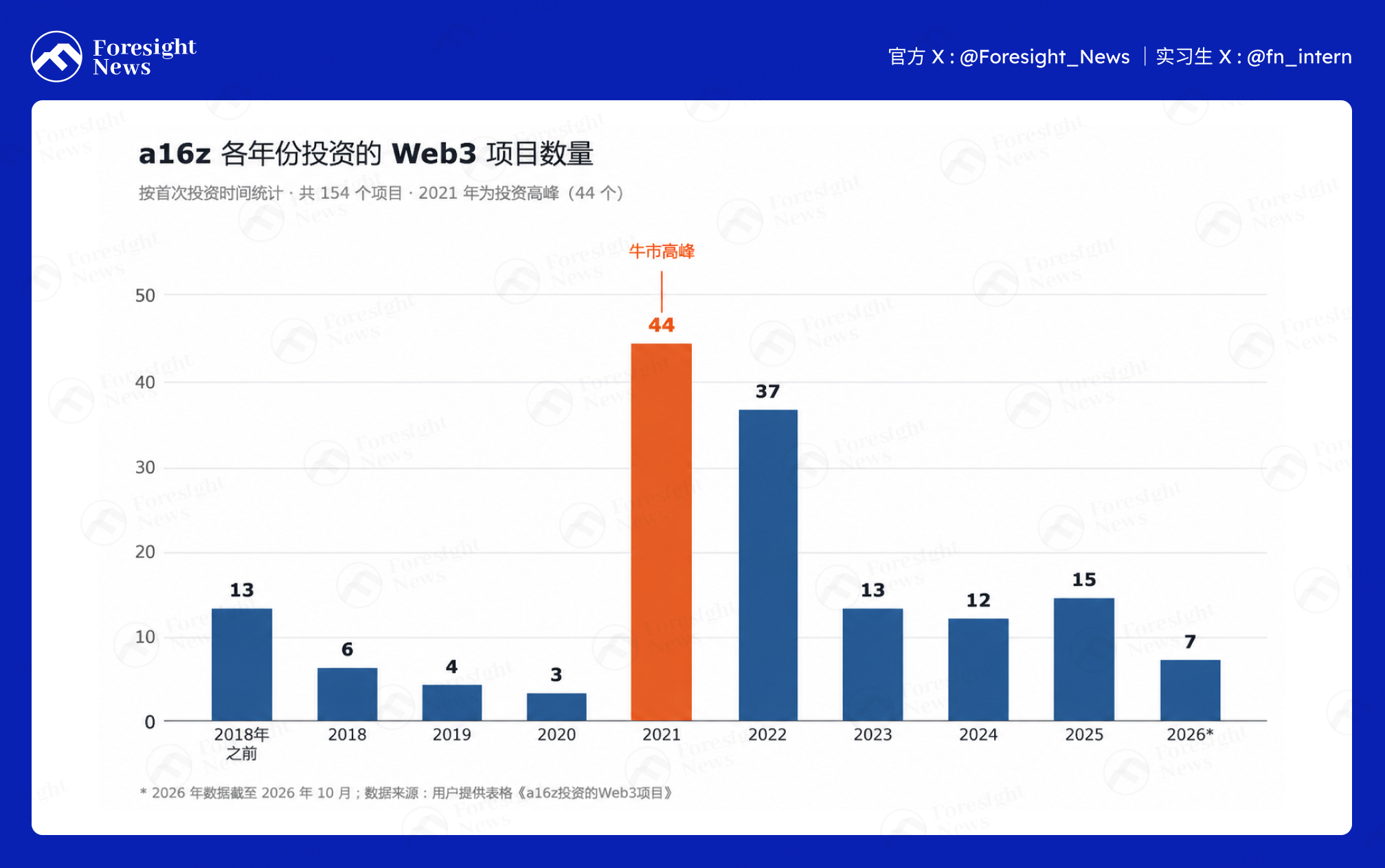
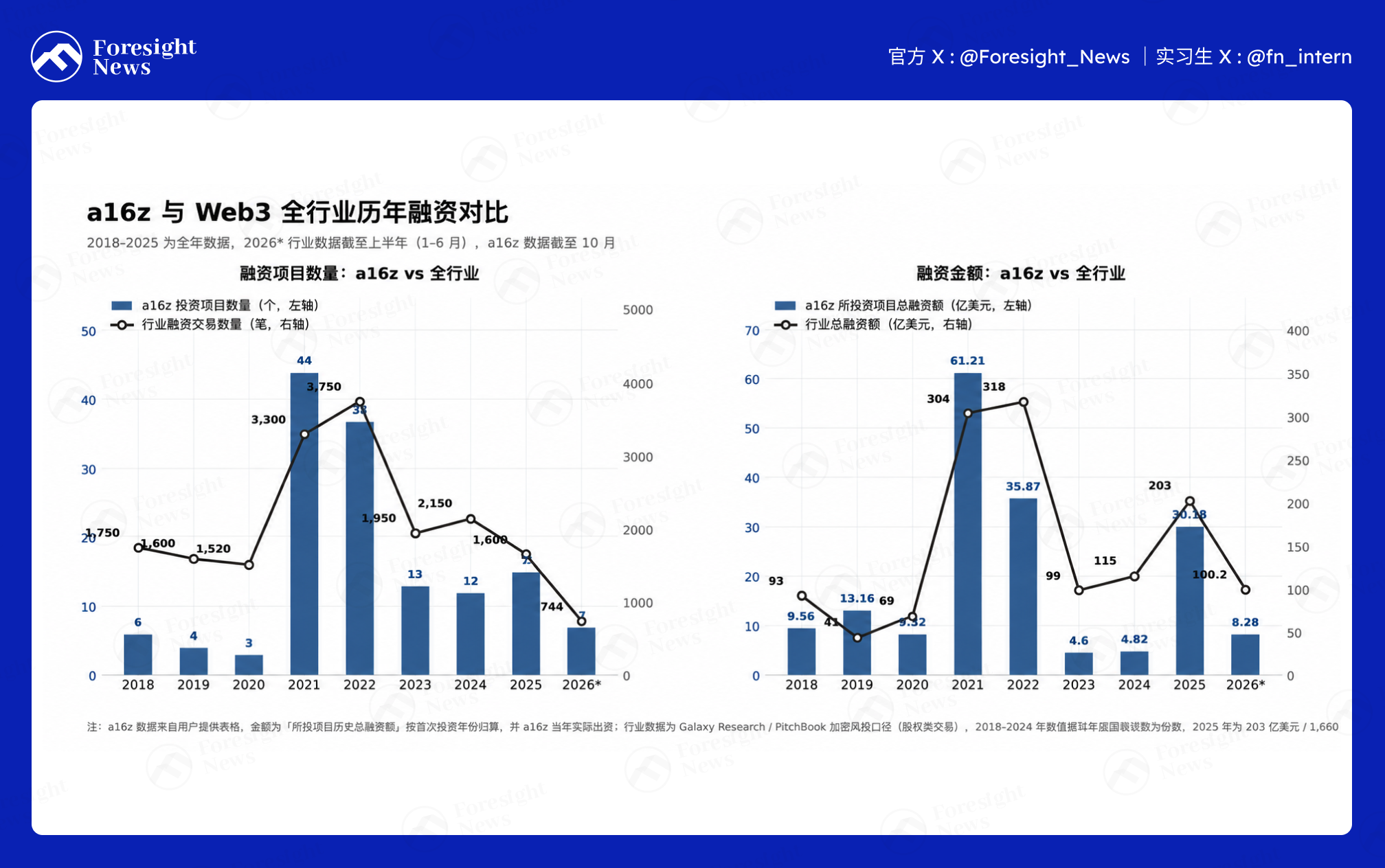
That influence was financial as well as cultural. By Eric’s count, a16z had invested in 154 Web3 projects through the end of October 2026, excluding certain fintech companies that offered crypto services. Those projects had raised approximately $20.6 billion in total. He also counted five a16z-backed projects among DeFiLlama’s top 11 DeFi projects by total value locked at the time of writing. These figures describe the firm’s reach, not the returns earned on every investment.
From NFT ownership to a wider Web3 story
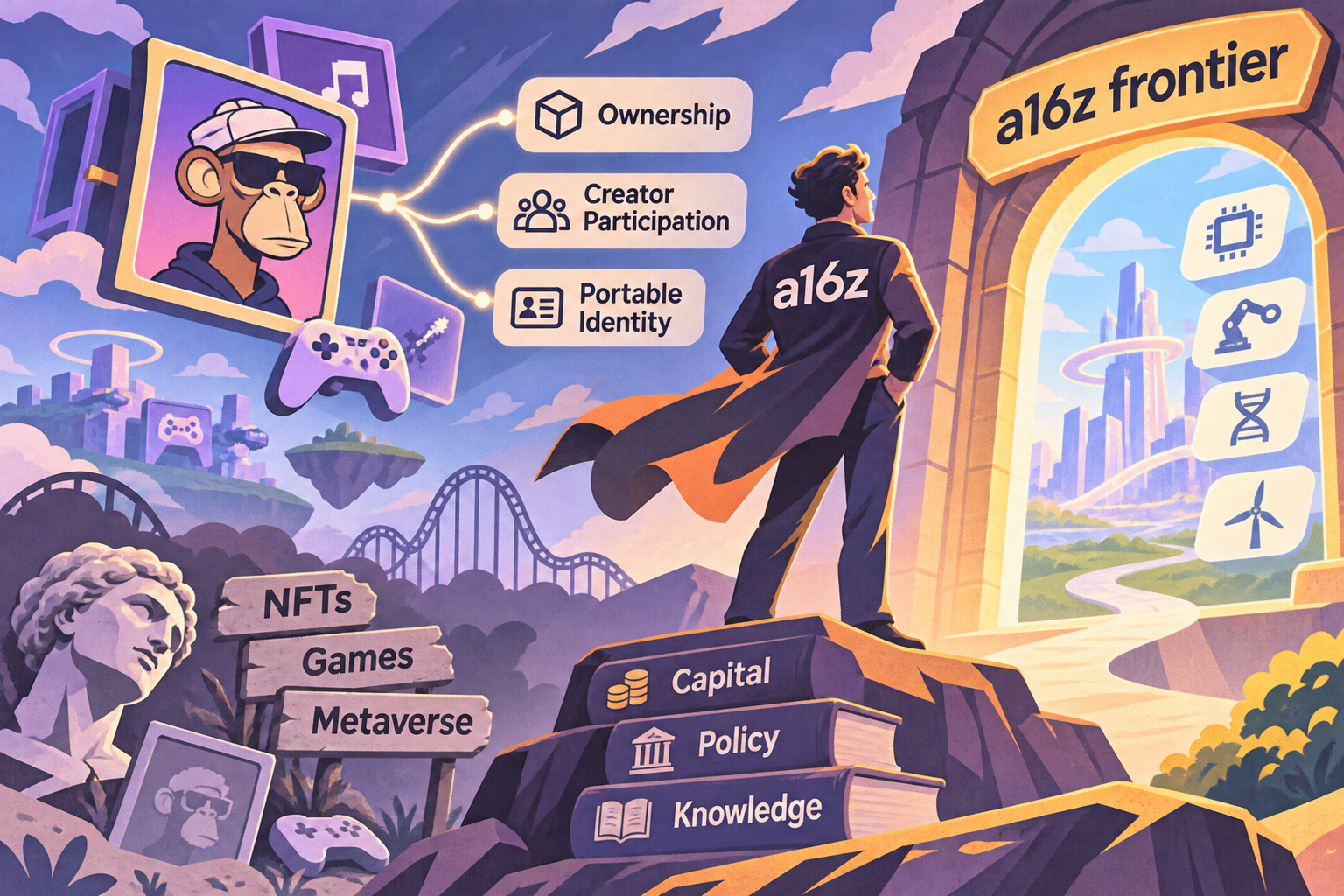
a16z championed NFTs as a way for people to own digital art, music and game assets, and argued for games and virtual worlds built around user ownership. Its portfolio included OpenSea and Yuga Labs, whose Bored Ape Yacht Club NFTs became conspicuous social symbols during the market’s peak. OpenSea’s valuation reached $13.3 billion in early 2022, according to the analysis.
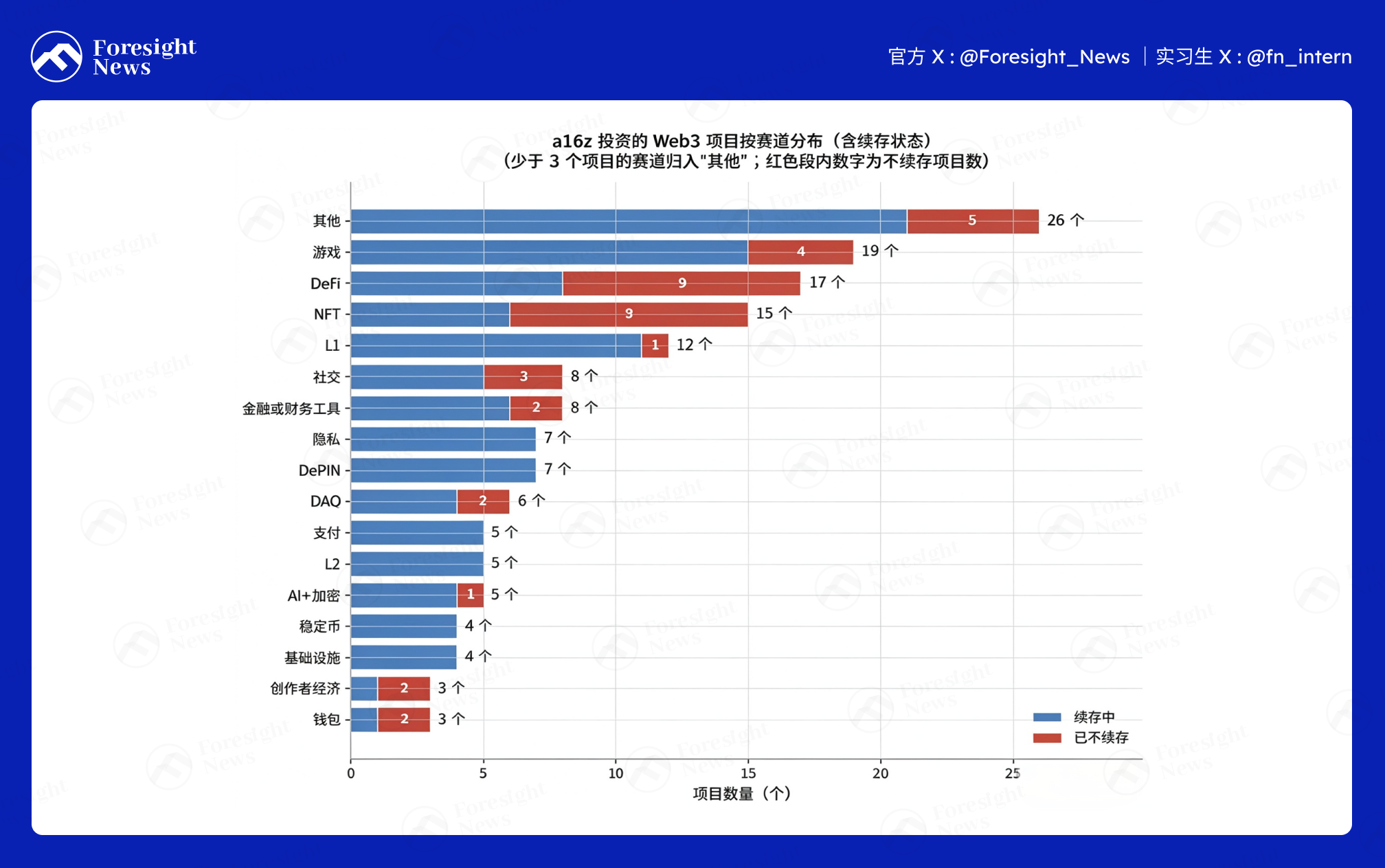
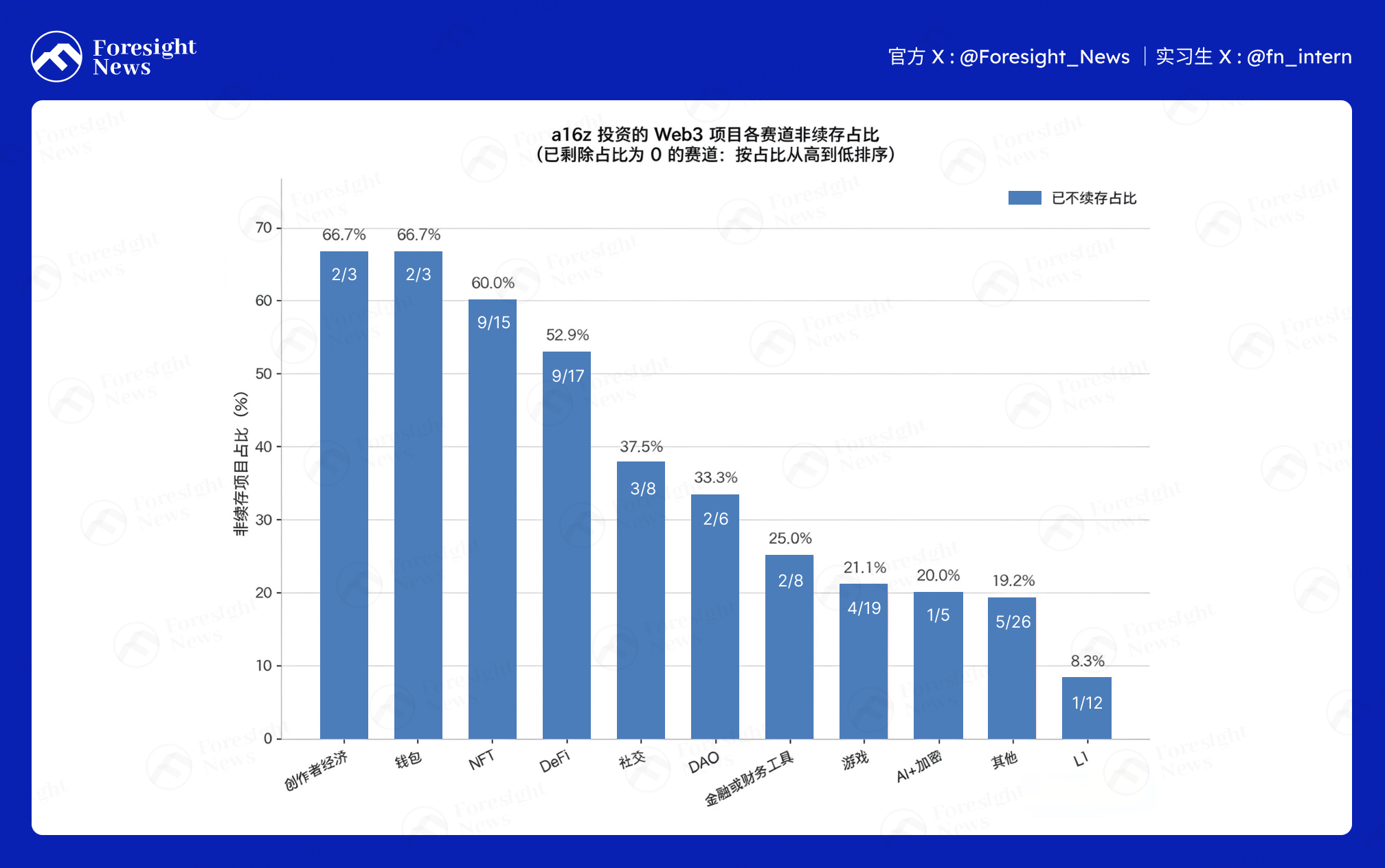
Those examples show how an investment thesis can become a cultural language: ownership, creator participation and portable identity gave people more to discuss than token prices alone. But the article argues that the later decline in attention to NFTs, games and metaverse projects exposed a gap between a compelling vision and sustained demand. Continued operation, it cautions, is not the same as a healthy business or a profitable investment.
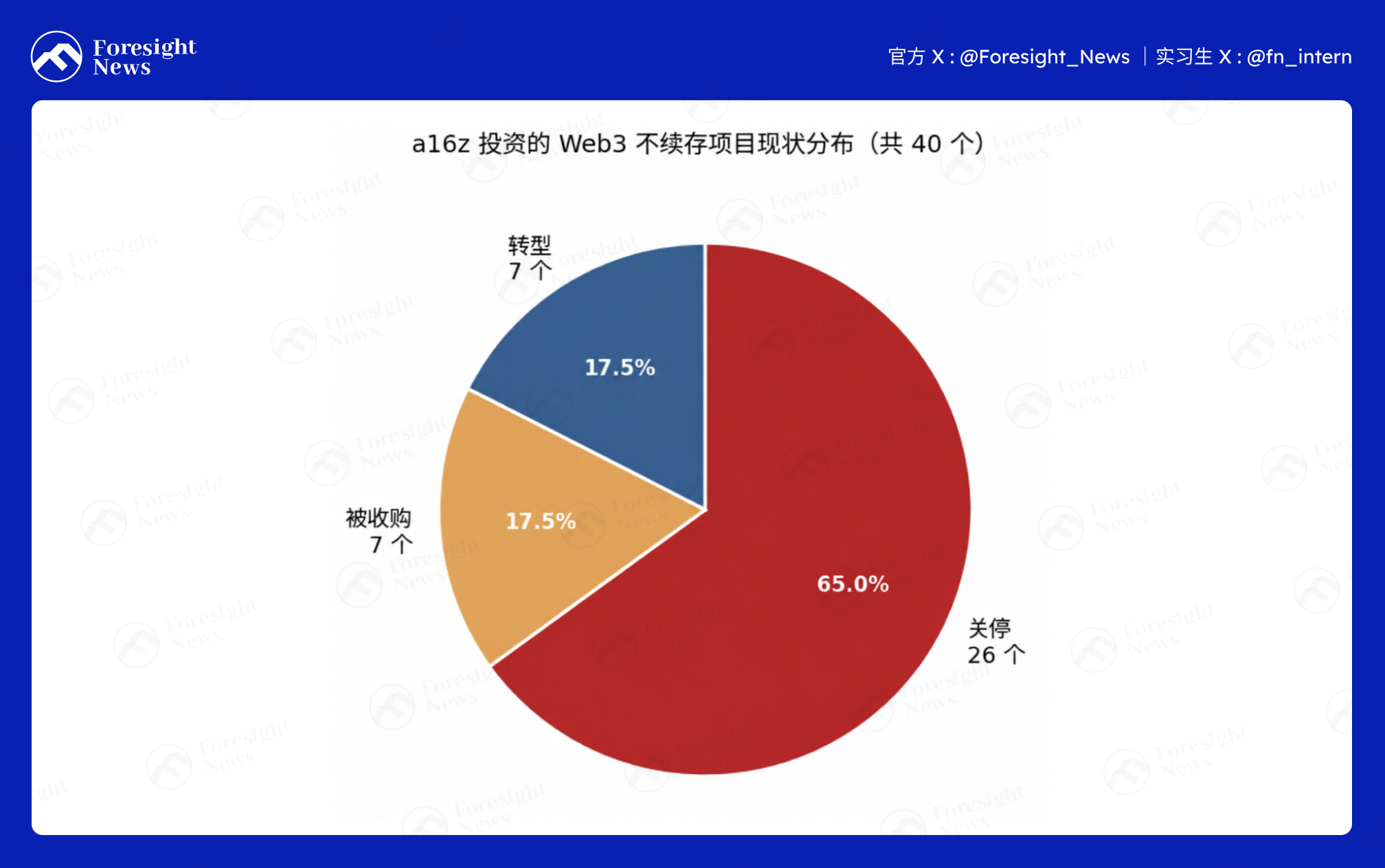
Eric points to two further examples. He argues that EigenLayer’s restaking pitch attracted capital before fees from services using it could justify the additional risks; the project later adopted the EigenCloud name and emphasized verifiable computing. He also describes Story Protocol’s attempt to make intellectual property programmable on-chain as struggling to connect registrations with real licensing revenue. According to the article, the project had recently changed its name to DATA, shifted its emphasis toward AI training data and was considering closing its own chain. These are the writer’s assessments of demand, not proof that the underlying ideas can never find a use.

The fund’s new name does not erase its role in Web3. The analysis credits a16z with backing prominent applications and infrastructure, publishing educational material and participating in policy work. Its sharper question is whether an institution practiced at giving emerging technology a persuasive story can recognize when participation and paying customers are not keeping pace with that story.